
דן ריכטר לוין

עודכן: 3 באפר׳
קורות חיים שנערכו ע״י שולי
דן ריכטר לוין, ישראלי, 2015–1926
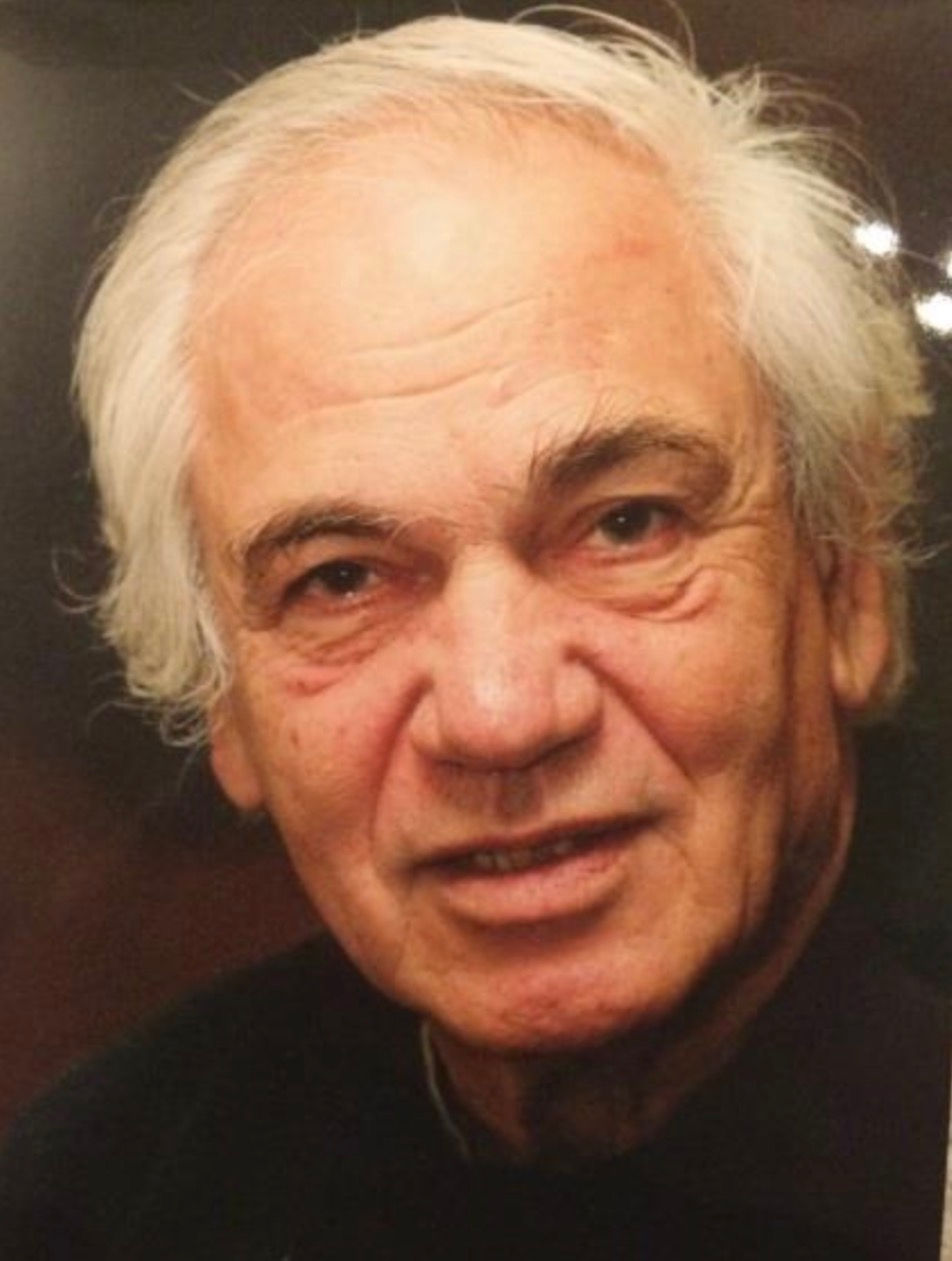
דן לוין נולד בתל אביב בשנת 1926. אביו, יעקב ריכטר, היה מהגר יליד גרמניה שנשא לאישה את אניה-אסתר, ביתו של שמריהו לוין. דודו מצד אביו היה האמן, איש תנועת הדאדא, האנס ריכטר. בנעוריו למד בבית-הספר הריאלי בחיפה. בשנת 1942 הפסיק את לימודיו והצטרף להכשרה של גרעין צופים בגניגר. בשנת 1943 חזר ללימודים בסגרת אקסטרנית בירושלים. בתקופת מלחמת העולם השניה, בין השנים 1946-1944, שירת כנהג בחיל ההנדסה של הצבא הבריטי. יחידתו סופחה לבריגדה היהודית ולחם באיטליה. בין השנים 1948-1947 שהה בשוויץ, שם החל לימודי רפואה. בשנים 1954-1950 שב לשוויץ, שם סיים את לימודי הרפואה. לאחר מכן נסע להתמחות בלונדון, אנגליה. בשנת 1952 התחתן עם מעצבת טקסטיל, ישראלית אף היא, נעמי לבית חסקלברג. עם שובו החל לעבוד בבית החולים רמב"ם בחיפה, שם ניהל את המחלקה האורולוגית. למרות שדן החל לעסוק באמנות כבר בנעוריו, רק בשנת 1952 החל לעסוק באופן עקבי בציור, ללא הכשרה מסודרת. יצירתו המוקדמת בציור והדפס התבססה על תצלומים שיצר. בשנת 1962 בקירוב החלה יצירתו לאמץ סממנים מופשטים. החל מן המחצית השניה של שנות ה-60 החל לעסוק גם בפיסול מודרניסטי, המבוסס על שימוש בזכוכית, עץ וחומרים נוספים, שיצרו מבנים מופשטים בעלי סממנים אורבניים. בנוסף, בשנות ה-70 החל ליצור גם קולאג׳ים. בשנת 1971 נפרד מנעמי ועבר לחיות בעין הוד עם אישתו השניה ליאורה. ניתן לומר שאת רוב חייו הבוגרים חילק בין שני עולמות, הרפואה והאומנות. שנים אחדות לאחר צאתו לגמלאות בשנת 1993 עבר לחיות בגרמניה עם גבי שינדלר ומאז עסק רק באומנות.
בשנת 2003 זכה דן בפרס הביאנלה הבינלאומית לפיסול, בנירנברג, גרמניה.
דן ריכטר לוין נפטר בשנת 2015.
הלויתו התקיימה בחוג משפחה מצומצם והספיד לו חברו Friedhelm Hüther
Situated in the centre of my hometown, Willich-Anrath, there is a Free-Standing Plastic Sculpture by a Jew. Created by our friend, the Israeli sculptor Dr Dan Richter-Levin, during a sculptor symposium in 2000. This sculpture was then given into the care of the ‘Lise Meitner Gymnasium’. Two further Plastic Sculptures by Dr Dan Richter-Levin also stand in the Willich Schloss Park (Park Castle gardens). Our friend has now gone from us. Not only do his plastic sculptures remind me of him, but also the comment he made, “Oh my god, Freidhelm, how we laughed as we built these plastic sculptures” We, that was Gabi, Dan and I, were sitting in the garden of my gallery, filthy with sweat and covered in paint, eating our evening meal. “Friedhelm, we still need to colour them. We will paint them red and yellow”. “Certainly, Dan”, I replied, “we work and work and never have time to talk so that we can get to know each other better”. “Friedhelm,” he responded, “while working, you get the know people really well. Now, tell me a few more of those Jewish jokes”. Then the scene became really colourful! Dr Dan Richter-Levin, who was born in Tel Aviv in 1926, is a doctor, painter, and Sculptor, served in the Jewish Brigade of the British Army from 1944 to 1946, including in Germany. It took 50 years for him to come to terms with his experiences in Germany, which also included the liberation of the concentration camps Camps. In his Düsseldorf studio in 1996, I saw collages made from iron and tattered pieces of prisoners' uniforms. “Oh my God, Dan, you needed half a century for this!” “Friedhelm, it’s like you say.״ In 1950, Dan Richter-Levin started his medical studies in Switzerland. In 1954, he joined a Special Study into Tropical Medicine in London. These overseas study programmes build the fundamental base for his language abilities; Hebrew, English, French, Italian, Arabic, and German, not forgetting the three different written scripts. During this time, he had already worked as a sculptor. He exhibited his sculptures in Tel Aviv, Jerusalem, Haifa, Warsaw, Minneapolis/USA, Mainz, Dessau, Rostock, Düsseldorf und Willich. During Dan’s last exhibition in my Anrather gallery, we also showed his ‘Nightcollage’. They arose from missiles that exploded around his hospital during the 1991 Gulf War. The explosions of a missile blow the window of his office out of its frame. Pieces of the missile, window frame and glass totally devastated his office, broken cupboards and shredded medical files blew around the dust-filled room like a “confetti parade”. During this chaos, as always, Dr Dan Richter-Levin continued to treat the patients who came to him, irrespective of their beliefs or what country they came from. He didn’t just treat them, but he also spoke to them in their own language. During all this time, he was not allowed to leave his hospital. It was during the few breaks in the missile attacks that he took the time to visit his office and started to construct his ‘Nightcollage’, each piece dated as proof that artists and doctors can work under immense stress. Like his fellow Jewish brothers and sisters 80 years ago in the Concentration Camps. Our friend, Dr Dan Richter-Levin, is no longer with us. We will remember him with love and even a laugh.
תגובות